


IBDP Visual Arts: Documenting Local History - Postcards Through Photography

IBDP Visual Arts: Documenting Local History - Postcards Through Photography
Introduction
Living in Fayetteville North Carolina allowed me to be surrounded by nature, beautiful architecture, and a profound connection with military life. At my school, half of the staff members, students, and teachers were somehow related to the USA Army, and the surrounding areas of our school were marked by this strong presence.

Every time that the weather permits, I was giving the opportunity for my students to explore the city and observe the history behind what they were capturing. The idea of this project came as I was walking by the airborne museum, looking for another activity integrating geometry and visual arts.
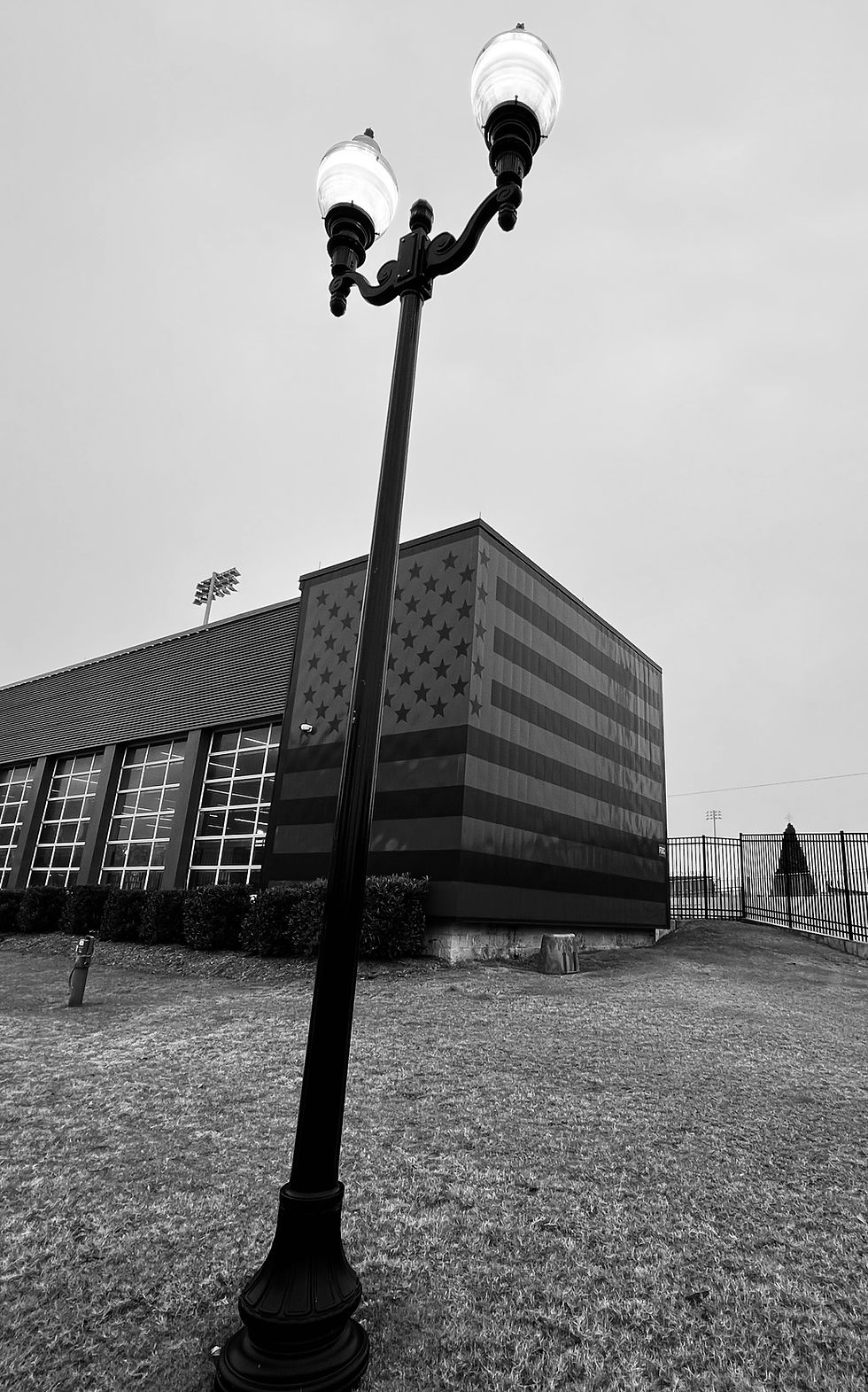
Photography is a powerful medium for capturing history and culture, and the "Documenting Local History through Photography" project allowed students to explore this art form while celebrating the rich heritage of Downtown Fayetteville. By visiting local landmarks and capturing their essence through the lens, students created stunning postcards that highlighted the significance of their surroundings.
This project culminated in a memorable feature during our Arts Integration Night, showcasing their creative and historical insights.

Project Overview
This project was inspired by the Framework for High-Quality Project-Based Learning and emphasized connecting art with community and history. The driving question was: "How can we use photography to preserve and celebrate local history and culture?"
Key Components of the Lesson Plan
Here is a summarized version of the project framework:
Objective: Students will document local history and culture by photographing significant landmarks and creating postcards to share their work with the school community.
Materials Needed: Cameras, computer or tablet with photo editing software (e.g., Canva, Lunapic, Pixlr X), postcard templates, and printing materials.
Procedure:
Phase 1 - Research and Planning: Students researched local landmarks and their historical and cultural significance. Using tools like Google Maps, they created itineraries for their photo shoots and discussed the role of photography in preserving history.
Phase 2 - Photography and Composition: Students spent a class period exploring Downtown Fayetteville, photographing landmarks from unique angles. They were encouraged to experiment with composition, lighting, and perspective to capture the essence of each location.
Phase 3 - Editing and Postcard Creation: Students selected their best 3-5 photos and edited them using online tools. They designed postcards by adding welcoming messages and descriptive text about the landmarks' significance.
Phase 4 - Presentation and Sharing: The completed postcards were displayed during Arts Integration Night, where students shared their work and the stories behind their photographs with the school community.
Phase 5 - Reflection: Students reflected on their experience, discussing how photography can be a tool for storytelling and cultural preservation.
Assessment: Students were evaluated based on their research, photographic techniques, creativity in postcard design, and their ability to convey historical and cultural significance.
Benefits of the Project
The "Documenting Local History" project allowed students to develop technical photography skills while fostering a deeper appreciation for their community. By exploring local landmarks, they gained insights into the history and culture that shape their surroundings. This project also emphasized the importance of art as a medium for connection and storytelling.
Reflection
This project was one of the most rewarding experiences of the year. Watching students explore their city and bring its stories to life through photography was inspiring. The postcards they created were not only visually stunning but also deeply meaningful, reflecting the students’ growing understanding of the role art plays in documenting and celebrating history. Arts Integration Night became a beautiful platform for showcasing their talent and sharing their narratives with a wider audience.
Conclusion
The "Documenting Local History through Photography" project exemplifies the power of art to connect students with their community and heritage. By combining technical skills with creative expression, students created work that resonated with their peers and the broader community. This project remains a testament to the importance of integrating art with history and culture in education.
Stay tuned for more projects and reflections from my IBDP Visual Arts classroom!
Ms. Mila


Comments